What Is Prenatal Care?
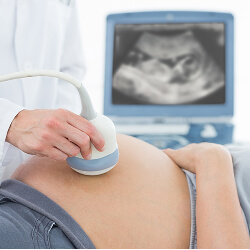
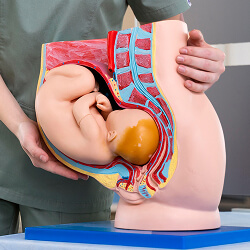
Prenatal care includes the medical appointments, screenings, education, and support provided during pregnancy. Prenatal care supports both maternal health and fetal development.1
These visits typically involve:
- Monitoring blood pressure
- Measuring weight gain
- Checking urine samples
- Listening to the baby’s heartbeat
- Measuring fundal height
- Reviewing symptoms and concerns
When to Begin Prenatal Care
Prenatal care should begin as soon as pregnancy is confirmed. Early care sets a strong foundation for the months ahead.
Early visits may include:
- Pregnancy confirmation
- Estimated due date calculation
- Medical history review
- Discussion of medications
- Initial lab work
Get guidance on which pregnancy test to use and when
How Often Are Prenatal Appointments?
While schedules may vary, a typical prenatal visit schedule includes appointments every 4 weeks until 28 weeks, every 2 weeks from 28 to 36 weeks, and weekly visits from 36 weeks until birth. High-risk pregnancies may require additional monitoring.
Follow your pregnancy week by week to understand what to expect at each stage
Choosing a Prenatal Care Provider
Pregnant individuals may choose from obstetricians (OB-GYNs), family physicians, or certified nurse midwives. Choosing a provider involves considering your medical history, birth preferences, hospital affiliation, and communication style. The right provider should make you feel informed and respected.
Learn how to choose the right prenatal care provider for your needs
What Tests Are Included in Prenatal Care?
Prenatal visits may include routine screening tests to monitor health and development. Testing helps identify concerns early and guide care decisions.
Common screenings include:
- Blood tests
- Urinalysis
- Glucose screening
- Ultrasound examinations
- Genetic screening
Explore prenatal screening and diagnostic options and what they involve
Monitoring Physical Changes
During pregnancy, your body changes significantly. Understanding these changes can reduce uncertainty and support self-care.
You may notice breast changes, skin changes, weight gain, changes in circulation, and musculoskeletal adjustments.
Explore what body changes to expect throughout each trimester
Boosting Immunity and Staying Well
Supporting your immune system during pregnancy is important. Vaccinations may also be recommended during pregnancy.2 Discuss immunizations with your healthcare provider to determine what is appropriate for you.
Discover ways to support your immune system safely during pregnancy
Communication During Prenatal Visits
Prenatal appointments are an opportunity to ask questions and express concerns. No question is too small. Open communication supports confidence and clarity.
You may wish to discuss nutrition, exercise, symptoms, mental health, birth preferences, and work considerations.
High-Risk Pregnancy Monitoring
Some pregnancies require additional monitoring due to chronic health conditions, multiple gestation, maternal age, or previous complications. Extra monitoring does not necessarily mean complications — it simply ensures appropriate care.
Find out what makes a pregnancy high-risk and what that means for your care
Building Confidence Through Care
Prenatal care is not only about tests and measurements. It is about partnership. Regular visits provide reassurance, education, and preparation for labor and birth. Consistent prenatal care supports informed decisions and helps you feel prepared as you move closer to meeting your baby.
Start preparing for labor and birth when you are ready for the next stage