How Pregnancy Tests Work
Pregnancy tests detect the hormone human chorionic gonadotropin (hCG). After implantation, hCG begins to rise and levels typically double every 48 to 72 hours in early pregnancy.1 Once levels are high enough, tests can detect it.
Learn more about hCG levels in early pregnancy and what they indicate
Home Pregnancy Tests
Home pregnancy tests detect hCG in urine. They are widely available and can often detect pregnancy within a few days of a missed period. To improve accuracy, use first-morning urine, follow instructions carefully, check the expiration date, and read results within the recommended time window.
Get detailed guidance on how to use a home pregnancy test correctly
When to Take a Pregnancy Test
For best accuracy, wait until at least the first day of a missed period. Testing too early may result in a false negative because hCG levels may not yet be high enough. If you test early and receive a negative result but your period does not start, repeat the test in two to three days.
Explore timing guidance and when to take a pregnancy test for the most accurate result
Blood Pregnancy Tests
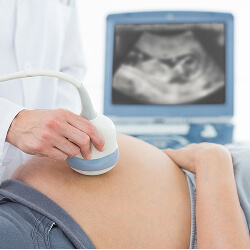
Healthcare providers can perform blood tests to detect pregnancy. Blood tests can detect pregnancy earlier than urine tests and are often used when more precise measurement is needed.
There are two types: a qualitative blood test (confirms presence of hCG) and a quantitative blood test (measures exact hCG levels). Quantitative testing may be used to monitor early pregnancy development, evaluate possible miscarriage, or assess risk of ectopic pregnancy.
Understanding Test Accuracy
Most home pregnancy tests claim over 99% accuracy when used correctly after a missed period.2 False positives are rare but can occur in specific situations.
Several factors can affect results, including testing too early, diluted urine, user error, an expired test, or certain medications.
What If the Test Is Negative?
A negative test result may mean you are not pregnant, it is too early to detect hCG, or ovulation occurred later than expected. If your period remains absent and symptoms continue, repeat testing or consult a healthcare provider.
Review early pregnancy symptoms and what they may indicate
What If the Test Is Positive?
A positive test result usually indicates pregnancy. Next steps may include scheduling a prenatal appointment, starting or continuing prenatal vitamins, and reviewing medications with your provider.
Find out what to do after a positive pregnancy test and what comes next
Find support and information if the pregnancy was unexpected
When to Seek Immediate Care
Contact a healthcare provider immediately if you experience severe abdominal pain, shoulder pain, heavy bleeding, or dizziness or fainting. These may be signs of ectopic pregnancy, which requires urgent medical attention.3
Finding Clear Answers
Pregnancy testing can bring relief, excitement, or new questions. Using the test correctly and at the right time improves accuracy. If uncertainty remains, medical confirmation provides clarity. You deserve accurate information and reassurance during this time.
Return to the Am I Pregnant hub for more guidance on early pregnancy