How Pregnancy Occurs
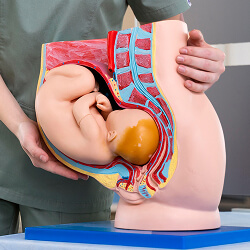
Pregnancy begins when a sperm fertilizes an egg. Each month, one ovary typically releases an egg during ovulation. The egg travels through the fallopian tube, where fertilization may occur if sperm are present.1
If fertilization happens:
- The fertilized egg (zygote) begins dividing
- It travels to the uterus
- It implants into the uterine lining
- Pregnancy hormones begin rising
Understanding this process helps clarify why timing is so important.
Explore the biology of conception in detail
Timing Ovulation
Ovulation typically occurs about 12–16 days before your next period begins. The fertile window includes the five days before ovulation and the day of ovulation itself.
Sperm can live inside the female reproductive tract for up to five days.2 The egg survives approximately 12–24 hours after release. Because of this, having intercourse before ovulation often increases the likelihood of conception.
Learn how to track ovulation and time intercourse effectively
Calculating Conception
While exact timing cannot always be pinpointed, conception usually occurs within 24 hours after ovulation. Healthcare providers often estimate gestational age based on the first day of the last menstrual period (LMP), not the actual day of conception.
Understanding how pregnancy is dated can reduce confusion during early appointments.
Find out how to estimate your conception date
Getting Pregnant Naturally
Several factors may support natural conception:
- Regular ovulation
- Healthy sperm count and motility
- Balanced hormones
- Healthy body weight
- Avoiding smoking and excessive alcohol
- Managing stress
Small lifestyle changes can support reproductive health over time.
Discover natural strategies to improve your chances of conception
How Often Should You Have Intercourse?
If trying to conceive, many healthcare providers suggest intercourse every 1–2 days during the fertile window, or every 2–3 days throughout the cycle. Frequent ejaculation does not typically reduce healthy sperm production in individuals with normal fertility.3
If cycles are irregular, tracking ovulation through basal body temperature, cervical mucus, or ovulation predictor kits may help.
When to Seek Medical Advice
It is common for healthy couples to take several months to conceive. Consider speaking with a healthcare provider if:
- You are under 35 and have tried for 12 months without success
- You are 35 or older and have tried for 6 months
- You have irregular or absent periods
- You have known reproductive health conditions
Early guidance can identify treatable causes.
Explore fertility testing and when to seek professional support
Emotional Considerations While Trying to Conceive
Trying to conceive can bring a range of emotions — hope, anticipation, excitement, frustration, and disappointment. It is normal to feel discouraged if pregnancy does not happen immediately.
Conception depends on multiple biological factors, many outside of personal control. Patience and self-compassion are important during this time.
Supporting Conception Through Health
Preparing your body for pregnancy can begin before conception. Supportive steps may include:
- Taking prenatal vitamins with folic acid
- Eating balanced meals
- Maintaining regular exercise
- Managing chronic conditions
- Attending preconception visits
Healthy habits support both conception and early pregnancy development.
Get a full guide to nutrition and health habits that support conception
Moving Forward with Confidence
Understanding how conception works can make the journey feel more grounded and informed. Trying to conceive is not a race — it is a process, and every journey looks different.
Think you may already be pregnant? Find out what to do next
Ready to explore fertility testing or treatment options? Start here