Understanding Labor Pain
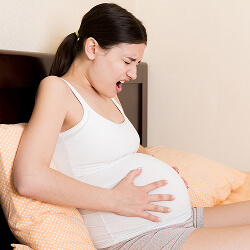
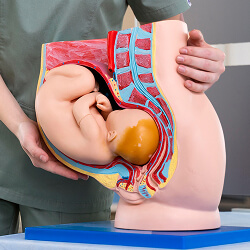
Labor pain is caused by uterine contractions, cervical dilation, and pressure as the baby moves downward. Pain intensity varies widely and may change throughout the stages of labor.1 Some describe contractions as wave-like and rhythmic. Others experience back pressure or pelvic intensity.
Non-Medical (Natural) Pain Management Options
Non-medical techniques aim to reduce discomfort and improve coping without medication. Continuous support during labor has been associated with improved satisfaction and reduced need for interventions.2
Common approaches include:
- Breathing and patterned breathing techniques
- Position changes and movement
- Massage
- Hydrotherapy (laboring in water)
- Relaxation techniques
- Continuous labor support
Explore relaxation techniques you can use during labor to stay calm and focused
Learn patterned breathing techniques and how to use them during contractions
Epidural Anesthesia
An epidural is one of the most common forms of medical pain relief during labor. It involves placement of medication into the epidural space of the spine to reduce sensation in the lower body. Epidurals may cause temporary side effects such as low blood pressure or limited mobility.3
Benefits may include significant pain reduction, the ability to remain awake and alert, and adjustable medication levels.
Learn how an epidural works, what to expect, and its potential side effects
Spinal Block
A spinal block is similar to an epidural but is often used for cesarean birth or rapid pain relief. It works quickly and provides strong anesthesia.
Find out how a spinal block differs from an epidural and when it is used
Combined Spinal-Epidural (CSE)
Some hospitals offer a combined spinal-epidural, providing rapid pain relief followed by continued epidural medication. Availability varies by facility.
Nitrous Oxide
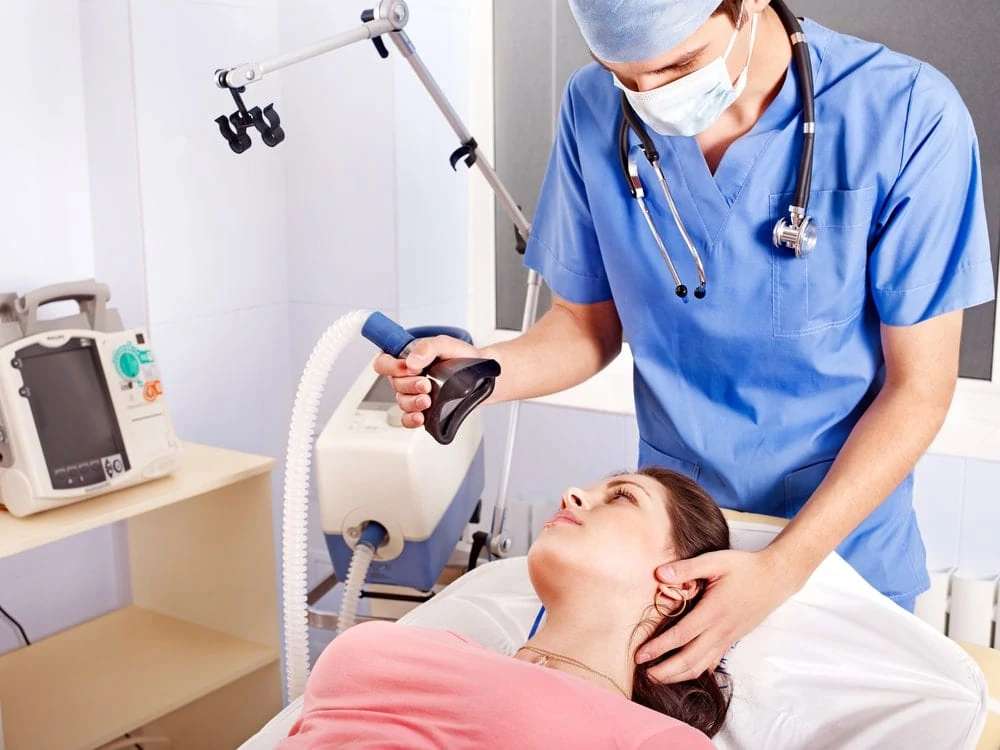
Nitrous oxide (sometimes called laughing gas) may be offered during labor. It does not eliminate pain but may make contractions feel more manageable.4
It is inhaled through a mask and can reduce anxiety, decrease perception of pain, and allow mobility.
Learn what nitrous oxide offers during labor and whether it may be right for you
Narcotics (Opioid Medications)
Intravenous or intramuscular narcotics may be used during labor to reduce pain intensity. These medications may cause drowsiness and are typically used with careful monitoring.
Understand how narcotic pain relief works during labor and what to expect
Local and Pudendal Block
Local anesthesia may be used to numb a specific area, such as for episiotomy repair. A pudendal block numbs the vaginal and perineal area during late labor.
Learn what a pudendal block involves and when it is typically used
General Anesthesia
General anesthesia is typically reserved for emergency cesarean birth when rapid anesthesia is necessary. It renders the parent unconscious during the procedure.
Find out when general anesthesia is used during birth and what it involves
Combining Techniques
Many parents use a combination of methods — movement early in labor, hydrotherapy during active labor, and an epidural later if needed. Pain management decisions can evolve as labor progresses.
There Is No Right Choice
Pain management is personal. Choosing an epidural does not mean you gave up. Choosing unmedicated birth does not mean you are stronger. The goal is a safe birth and a supported parent. Many parents reflect on birth with pride, not because it was painless, but because they navigated something intense and transformative.
Explore delivery environments, birth settings, and what each option involves
Explore postpartum recovery, newborn care, and life after birth