Why Complications Can Occur
Labor is a complex physical process involving uterine contractions, cervical dilation, fetal positioning, and placental function. Sometimes changes occur that require intervention to protect the health of the parent or baby.1 Many complications are manageable when identified early.
Failure to Progress (Prolonged Labor)
Failure to progress means labor is not advancing as expected. This may involve the cervix not dilating, the baby not descending, or contractions not being strong enough. Management may include medication, position changes, or cesarean birth depending on circumstances.1
Learn about prolonged labor, what causes it and how it is managed
Fetal Distress
Fetal distress refers to signs that the baby may not be tolerating labor well, indicated by abnormal heart rate patterns, decreased oxygen supply, or meconium-stained amniotic fluid. Prompt evaluation and, if necessary, expedited delivery can reduce risk.2
Understand what fetal distress means and how it is identified and treated
Cesarean Complications
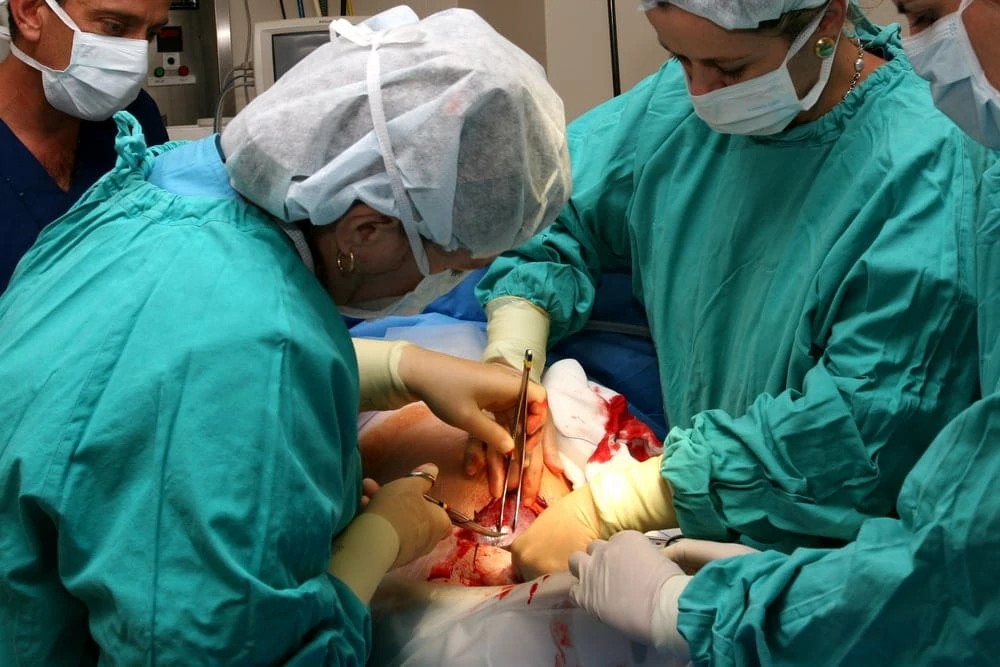
Cesarean birth is generally safe, but as with any surgery, risks exist. Most individuals recover well with proper postoperative care.3
Potential complications include:
- Infection
- Bleeding
- Blood clots
- Reactions to anesthesia
- Extended recovery time
Learn about the potential complications of cesarean birth and how they are managed
Emergency Cesarean Birth
An emergency cesarean may be performed if fetal distress occurs, labor stops progressing, placental complications develop, or umbilical cord prolapse occurs. Emergency decisions are made to prioritize safety.
Learn what umbilical cord prolapse is and why it requires immediate care
Premature Birth and Delivery Concerns
If labor begins too early, complications may arise related to prematurity. Neonatal care teams are specially trained to support premature infants.
Explore the complications that may arise with premature birth and how they are treated
Placental Complications
Certain placental conditions may affect delivery, including placenta previa, placental abruption, and retained placenta. Placental concerns may require surgical or medical intervention.
Learn what a retained placenta is and how it is treated after birth
Shoulder Dystocia and Positioning Concerns
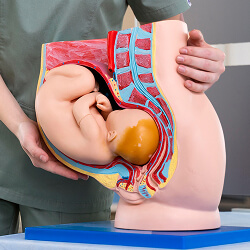
Positioning complications such as breech presentation or shoulder dystocia may require intervention. Position and pelvic dynamics are evaluated throughout labor.
Learn about breech presentation and what options are available for delivery
Induction and Intervention Risks
When labor is induced, additional monitoring is often necessary. Induction may increase the likelihood of certain interventions, though many inductions proceed without complication.1
Learn how labor induction works and what to expect during the process
Emotional Impact of Birth Complications
When labor does not unfold as planned, emotions may include disappointment, fear, grief over expectations, and relief that the baby is safe. It is common to need time to process the experience.
Find support for the emotional and mental health challenges that can follow a difficult birth
Safety Systems in Modern Birth Care
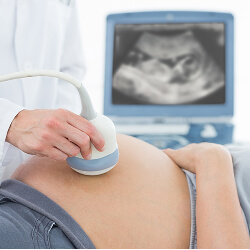
Modern obstetric care includes continuous fetal monitoring, rapid-response surgical teams, neonatal specialists, blood bank access, and evidence-based protocols. These systems are designed to respond quickly if complications arise. Most births, even when complicated, end with healthy outcomes due to timely medical care.4
Moving Forward With Confidence
Most births are uncomplicated. Monitoring is designed for prevention, and medical teams train specifically for emergency scenarios. Birth is powerful and unpredictable. Even when complications arise, many parents describe a profound sense of strength and accomplishment afterward.
Explore postpartum recovery, newborn care, and life after birth