
Breastfeeding Benefits, Support, and What to Expect
Breastfeeding is a natural process but that does not always mean it feels natural at first. For many parents, breastfeeding becomes a meaningful time of closeness and bonding. For others, it may feel challenging, emotional, or physically demanding. Both experiences are common. Whether you choose to breastfeed, formula feed, or combine both, what matters most is that your baby is nourished and you are supported. If you would like to return to the Postpartum guide, visit the Postpartum hub.Pregnancy Topics
Diet Considerations While Breastfeeding
Breastfeeding With Breast Cancer
Are Omega-3 Supplements Good for My Baby?
Breastfeeding vs Bottle Feeding Formula
Colostrum – The Superfood For Your Newborn
How to Treat and Prevent Mastitis
Postnatal Vitamins While Breastfeeding
Boosting Your Breast Milk Supply With Galactagogues
How to Hand Express Your Breast Milk
Increase Your Breast Milk Supply
Parents across the country are struggling to find baby formula due to a nationwide shortage. Here is what parents need to know about the baby formula shortage and what they can do if their brand is out of stock
Why is there a baby formula shortage?
There have been baby formula shortages in U.S. stores throughout the COVID-19 pandemic, said Steven Abrams, M.D., professor of pediatrics at the University of Texas Dell Medical School. The shortages, due in part to supply chain issues, have recently been exacerbated by recalls of several formula products.
“Inflation, supply chain shortages, and product recalls have brought an unprecedented amount of volatility for baby formula,” Ben Reich, founder and CEO of Datasembly, said in a report about the baby formula shortage on April 13. “We expect to continue to see the baby formula category being dramatically affected by these conditions.”
In February 2022, Abbott Nutrition, a large infant formula manufacturer, announced a major recall of some products. The company recalled Similac, Alimentum and EleCare powder formulas manufactured in the company’s Sturgis, Michigan, facility on Feb. 17, followed by another recall for one lot of its Similac PM 60/40 on Feb. 28.
The U.S. Food and Drug Administration (FDA) says it is investigating consumer complaints of bacterial infections in four babies who consumed formula produced in the Michigan facility. All four babies were hospitalized, and the bacterial infections may have led to two deaths.
The recalled products should no longer be for sale, according to the FDA. But parents who have these products in their homes should check the lot code on the bottom of the package to determine if they are included in the recall. The FDA has a full list of recalled brands on its website.
What should parents do if their baby formula brand is out of stock?
If your trusted formula brand is out of stock, you still have options. First, call your OB-GYN or pediatrician to see if they have any in-office baby formula samples or ask if they can suggest a formula that may be more readily available and is nutritionally similar to their baby’s typical formula, according to guidance from the U.S. Department of Health and Human Services (HHS).
Generic formula brands from a grocery store or pharmacy as an alternative to your baby’s normal brand are “equally effective and safe to use,” pediatrician Ilan Shapiro, M.D., told VERIFY. Shapiro also suggested breast milk banks, where other parents are giving away their breast milk, as an option if the baby’s formula brand isn’t available.
The Human Milk Banking Association of America has a map and list of 31 member milk banks throughout the country online.
Donated breast milk is very safe. Mothers are tested for any illness that could pass through their breast milk before they donate it and containers of milk are tested for harmful bacteria,
Babies can also begin eating solid foods that can complement, or add to, breast milk or formula at about six months old, the Centers for Disease Control and Prevention (CDC) says on its website. By the time your baby is about 7 or 8 months old, you can introduce them to a variety of different foods, including infant cereals, meat, fruits, vegetables, grains, yogurts and cheese, among others.
Is homemade baby formula safe?
The American Academy of Pediatrics (AAP), HHS and other medical experts warn against diluting formula with water or making baby formula at home, as some on social media have suggested. Homemade baby formula is not safe and does not meet babies’ nutritional needs. Infant deaths have been reported from the use of some homemade formulas, according to the AAP.
The U.S. Food and Drug Administration (FDA) also advises parents to not give babies homemade infant formula because of serious health and safety concerns, including contamination, nutritional imbalances and foodborne illnesses.
The FDA regulates all commercially available infant formulas but doesn’t regulate recipes for homemade formulas.
Can babies have cow’s milk instead of formula?
Parents shouldn’t feed cow’s milk to babies 6 to 12 months old, except in an emergency when every other option has been exhausted.
The CDC and the AAP recommend that babies be introduced to cow’s milk at 12 months old, but not before then and never as the child’s main source of nutrients.
Cow’s milk has too many proteins and minerals for a baby’s kidneys to handle and does not have enough necessary nutrients, the CDC says. It could also put the baby at risk of intestinal bleeding.
“Cow’s milk does not provide enough iron for babies and it can cause them to become anemic. And it also has a lot of different solutes like protein and different things that the kidneys don’t process very well in infants. So we don’t recommend cow’s milk for kids under 1 year old,” Rachel Dawkins, M.D., a pediatrician at Johns Hopkins All Children’s Hospital.
Parents may be able to feed cow’s milk to some babies between 6 and 12 months old if other formula alternatives are unavailable during the ongoing shortage, but this shouldn’t be a long-term solution.
Abrams wrote on the AAP’s parenting website that cow’s milk may be an option for children older than 6 months who are usually on regular formula if other alternatives aren’t available. This does not apply to babies who need specialty formula products for allergies or have other special health needs.
“In a pinch, you could feed them whole cow’s milk for a brief period of time until the shortage is better. This is not ideal and should not become routine. However, it is a better option than diluting formula or making homemade formula,” Abrams said.
What about goat’s milk and plant-based milks?
Goat’s milk is not approved as an alternative feeding option for babies in the U.S. However, there are some goat milk-based baby formulas in other countries that the U.S. Food and Drug Administration (FDA) may consider for accelerated import approval, Abrams said.
Additionally, some plant-based milks like almond milk are not recommended as baby formula alternatives, as they don’t have enough protein or healthy fats that babies need for brain development.
Will Amazon ship formula from Canada to the U.S.?
Some social media users are advising people who can’t find their baby’s formula to switch their Amazon accounts from the U.S. to Canada. Amazon won’t ship baby formula from Canada to the U.S. Though some third-party sellers who sell their items independently on Amazon may do so, experts warn against buying formula products from other countries because the product may not match the higher U.S. regulations requirements. According to Amazon, U.S. customers can’t purchase baby formula products from Amazon Canada if they are sold and shipped by Amazon or sold by third-party sellers and shipped by Amazon.
SOURCES
- U.S. Department of Health and Human Services (HHS)
- Centers for Disease Control and Prevention (CDC)
- American Academy of Pediatrics (AAP)
- U.S. Food and Drug Administration
- Datasembly, data collection company providing access to grocery and retail pricing records
- Steven Abrams, M.D., professor of pediatrics at University of Texas Dell Medical School
- Ilan Shapiro, M.D., pediatrician and chief health correspondent and medical affairs officer at AltaMed Health Services
- Rachel Dawkins, M.D., medical director of the pediatric and adolescent medicine clinics at Johns Hopkins All Children’s Hospital
Breastfeeding Diet Basics, According To A Registered Dietitian
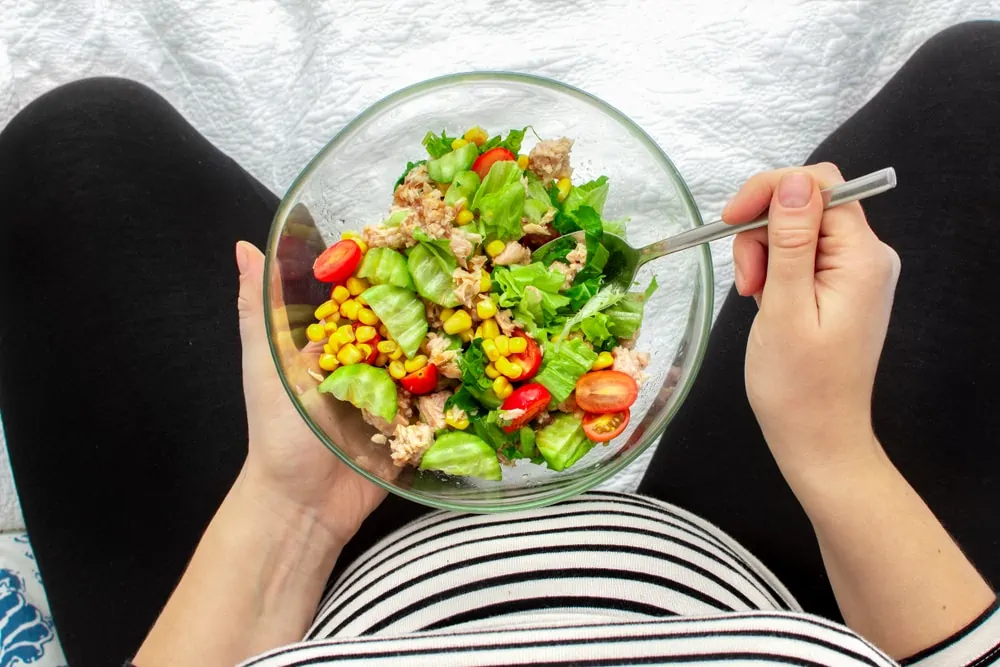
You made it through those 9 months of pregnancy where you did without massive amounts of caffeine, booze, and raw sushi, indubitably with absolute success. But now that you are a new mama and you are entering a new phase of your journey — namely your lactation journey — it is important to know that there are some nutrition tips that you are still going to have to follow if you want your breastmilk to be as nutritious as it can be for your little one.
Sure, your diet becomes much more liberalized once you are no longer responsible for literally growing a tiny human in your belly (and thank goodness for that!), but you aren’t completely off the hook when it comes to focusing on your diet when you are breastfeeding. Not only does what you eat impact certain aspects of the nutrients provided in your breastmilk, but it can also play a role in your healing progress, your energy levels, and your mental health.
So, what are the breastfeeding tips you need to keep in mind when you are following a breastfeeding diet? Read on to learn the best foods to eat while breastfeeding, what not to eat while breastfeeding, how many calories should a breastfeeding woman eat, and more.
Without further ado, here are the best things to eat while breastfeeding.
How Much Do You Need To Eat When Breastfeeding?
Before we dig into the specifics of which foods to focus on, it is important to understand that your overall nutrition needs have changed once you start lactating. While people claim that you are “eating for two” when you are pregnant, the reality is that your caloric needs have increased significantly once you are producing nourishing milk for your baby — even more than during pregnancy.
According to the National Institute of Health, lactating people need an additional 450-500 calories per day to support their nutrition needs. Additionally, nursing moms need approximately 71 grams of protein per day according to the Dietary Guidelines for Americans.
Increasing your calorie and protein intake doesn’t mean that you should be downing a bag of fried potato chips and a dozen slices of fatty bacon every day. Leaning on nutrient-dense foods that contain high-quality protein, a slew of micronutrients, and healthy fats can help you feel your best while helping supply your baby with the critical nutrients it needs in order to grow and thrive.
What Should You Eat When Breastfeeding?
OK – you get that you need to eat more calories and protein when you are lactating, but what the heck should you actually eat while breastfeeding to increase baby weight and help ensure baby is getting what it needs from your breastmilk?
Here are some tips for your breastfeeding diet that can have a profound impact on everything you are trying to accomplish:
1. Include Low Mercury Fish In Your Diet Two Times A Week
Experts agree that including fish that contain lower levels of methylmercury in your breastfeeding diet is one of the most important things you can do to fuel your body with important DHA and EPA omega-3 fatty acids, nutrients that play important roles in baby’s health. Specifically, DHA is an omega-3 fatty acid that is essential for the brain and vision development of your baby.
Adequate DHA omega-3 fatty acids may benefit a lactating mama as well, as some data suggests that taking in adequate amounts during the postpartum stage may have a protective effect against postpartum depression symptoms and promote overall wellness.
Fish also provides important micronutrients that are important to consume in adequate amounts during the lactation stage, including iodine, selenium, and vitamin B12.
The American Academy of Pediatrics recommends that breastfeeding mothers take in 200 to 300 mg of omega-3 fatty acids per day. They also recommend that this population. eat 1-2 servings of fish per week, with sustainably caught or raised fish and shellfish offering the best choices. Similarly, the Dietary Guidelines for Americans includes a suggestion that breastfeeding women consume between 9 and 12 ounces per week of a variety of seafood from choices that are lower in mercury.
When selecting your fish, picking options that are lower in methylmercury is an important step to consider. Methylercury is a naturally occurring element that can be found in our water sources, and therefore can accumulate in the fish we eat. This metal, when consumed in large amounts, is toxic to the nervous system and can result in negative effects on the brain and nervous system development of a baby.
Safe Catch is the only brand of seafood to test every Elite skipjack tuna and salmon to a mercury limit 10X and25x more strict than the FDA action limit, respectively. Plus, these fish options meets Consumer Report’s “low mercury criteria” set for vulnerable populations like pregnant women and young children and it is the official Seafood of the American Pregnancy Association. Safe Catch also uses Certified Sustainable fishing practices through the Marine Stewardship Council where Safe Catch tuna and salmon are internationally certified to the MSC fisheries standard of sustainability.
2. Focus On Important Micronutrients
Your breast milk naturally contains nutrients that your baby needs in order to grow and thrive. And while certain nutrients are found in your milk regardless of what you eat, other nutrient levels are dependent on your intake — meaning that if your diet is low in certain quantities of key nutrients, your breastmilk may not have the most ideal levels.
Choline, iodine, selenium, and vitamin A are key nutrients that lactating moms should ensure they are consuming enough of. Great foods to include in a breastfeeding diet that supply at least one of these nutrients include:
- Safe Catch Elite Wild Tuna
- Safe Catch Pacific Pink Salmon
- Brazil Nut
- Carrots
- Eggs
- Peanuts
- Sweet potatoes
3. Consume Caffeine in Moderation
Unlike during pregnancy, when some experts say that sticking to a maximum of 200 mg of caffeine every day is recommended, you can include a good amount of this stimulant in your breastfeeding diet, as very low amounts of mom’s caffeine intake are transferred to the breast milk. As such, moderate amounts of caffeine do not appear to be as large of a concern as it was during pregnancy. So, feel free to enjoy your morning cup of Joe when you are lactating — you may still want to hold off on the triple espresso lattes though until you are finished with your lactation journey.
The Right Nutrients For A Healthy Breastfeeding Journey
When a mother is breastfeeding, her dietary choices become incredibly important in order to support not only her health and wellness but also her baby’s growth and development. Choosing the right foods to eat, like Safe Catch Elite Wild Tuna and other lower-mercury fish options, lots of produce, and eggs, can help ensure mom is getting what she needs and the breast milk being fed to baby is as nutrient-dense as possible. Prioritizing your diet when you are caring for a newborn may not be the easiest thing to do, but in the long run, doing so may be one of the best things you can do for both yourself and for your baby.
Lauren Manaker – MS, RDN, LD, CLEC, CPT
Registered Dietitian, Certified Lactation Educator-Counselor, Freelance Writer, Dietitian Spokesperson, Media Dietitian
@laurenlovesnutrition
Benefits of Breastfeeding
Breast milk provides ideal nutrition for most infants and adapts over time to meet changing needs.1
Benefits for baby may include balanced nutrition, immune protection, reduced risk of certain infections, and lower risk of sudden infant death syndrome (SIDS). Benefits for parents may include uterine contraction support, reduced postpartum bleeding, and possible reduced risk of certain cancers.
Explore the full range of benefits breastfeeding may offer for you and your baby
What Is in Breast Milk?
Breast milk contains colostrum (early milk rich in antibodies), mature milk, proteins, fats, carbohydrates, antibodies, and hormones. Colostrum is sometimes called liquid gold because of its concentrated immune properties.2
Learn why colostrum is considered a superfood for your newborn
Find out what breast milk contains and how its composition changes over time
Establishing a Good Latch
A proper latch helps ensure adequate milk transfer, reduce nipple pain, and protect milk supply. Signs of a good latch may include the baby covering more of the areola, rhythmic swallowing, and minimal nipple pain. If pain persists beyond initial tenderness, support may help.
Learn how to achieve a good latch and what to do if latching is difficult
Milk Supply and Low Milk Supply
Many new parents worry about milk supply. True low milk supply is less common than perceived low supply.3 Signs baby is getting enough milk may include regular wet diapers, steady weight gain, and audible swallowing.
Understand the causes of low milk supply and when to seek evaluation
Explore evidence-based ways to support and boost your milk supply
Breastfeeding Challenges
Common challenges include engorgement, nipple soreness, mastitis, difficulty latching, and jaundice concerns. Many issues improve with early support.
Learn how to treat and prevent mastitis during breastfeeding
Understand the connection between breastfeeding and jaundice in newborns
Get an overview of common breastfeeding challenges and how to address them
Pumping and Bottle Introduction
Some families choose to pump breast milk, whether for returning to work, sharing feeding responsibilities, or building milk supply. If introducing a bottle, timing and technique can help ease the transition.
Learn how to pump breast milk effectively and store it safely
Find out how to hand express breast milk when a pump is not available
Get guidance on introducing a bottle to a breastfed baby
Nutrition While Breastfeeding
Breastfeeding parents often require additional calories and hydration.
Explore nutrition guidance to support your health and milk supply while breastfeeding
Learn about postnatal vitamins and whether supplements may be right for you
Lactation Consultants and Support
If you feel unsure or overwhelmed, you are not alone. A lactation consultant can evaluate latch, assess milk transfer, suggest positioning adjustments, and help troubleshoot pain. Early support often prevents small challenges from becoming larger ones.3
Find out what a lactation consultant does and how to access support
Breastfeeding and Emotional Health
Feeding your baby can be deeply bonding but it can also feel emotionally complex. If breastfeeding is not going as planned, it is okay to grieve expectations. Your worth as a parent is not defined by how your baby is fed.
Learn about postpartum emotional health and where to find support
A Season of Bonding and Learning
Breastfeeding is both biological and relational. For many, it becomes a quiet space of connection. For others, it is a short chapter or one part of a feeding journey. Whatever your path, you and your baby are learning together.
Get practical guidance on newborn care in the first days and weeks after birth