Why Preconception Health Matters
The earliest stages of development happen before many individuals realize they are pregnant. Supporting your body before conception may help promote regular ovulation, improve sperm health, support implantation, reduce the risk of certain birth defects,1 and improve overall pregnancy outcomes. Preparing early gives your body time to adjust and build nutrient stores.
Nutrition and Fertility
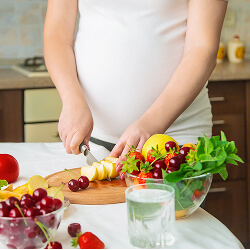
Balanced nutrition plays an important role in reproductive health. Folic acid is especially important in preventing neural tube defects during early development.1 Eating regular meals that include whole grains, vegetables, fruits, lean protein, and healthy fats supports hormone balance and overall reproductive health.
Key nutrients that support conception include:
- Folic acid
- Iron
- Iodine
- Vitamin D
- Omega-3 fatty acids
- Protein
Discover which foods and nutrients matter most before pregnancy
Prenatal Vitamins Before Pregnancy
Many healthcare providers recommend starting a prenatal vitamin before conception. Prenatal vitamins typically include 400–800 mcg of folic acid,1 iron, iodine, and vitamin D. Building nutrient stores before pregnancy supports early fetal development.
Explore a full preconception wellness plan to prepare your body
Maintaining a Healthy Weight
Body weight can influence ovulation and fertility. Being underweight may disrupt ovulation, while obesity may affect hormone balance. Even modest weight changes may improve reproductive outcomes.2 Consulting with a healthcare provider can help determine an appropriate plan.
Exercise and Physical Activity
Regular physical activity supports hormone regulation, stress reduction, healthy weight management, and cardiovascular health. Moderate exercise is generally beneficial when trying to conceive. Excessive high-intensity training, however, may disrupt ovulation in some individuals. Balanced routines are typically recommended.
Environmental and Lifestyle Factors
Certain exposures may impact fertility. Air pollution has also been associated with reproductive health concerns.3 Reducing harmful exposures supports both fertility and long-term health.
Consider minimizing:
- Smoking and secondhand smoke
- Excess alcohol
- Recreational drug use
- Environmental toxins
Learn how air pollution can affect fertility and early pregnancy
Male Preconception Health
Fertility involves both partners. Sperm health can be influenced by lifestyle habits in the months prior to conception. Supportive steps for male preconception health include avoiding tobacco, limiting alcohol, maintaining a healthy weight, avoiding excessive heat exposure to the testes, and managing chronic conditions.
Get a guide to male preconception health and how it affects fertility
Managing Chronic Health Conditions
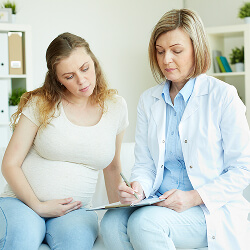
If you have an existing health condition such as diabetes, thyroid disorders, high blood pressure, or autoimmune conditions, it is important to work with a healthcare provider before conception. Medication adjustments and disease management can improve pregnancy outcomes. Preconception appointments allow providers to review immunizations, medications, family history, and genetic risks.
Stress and Emotional Well-Being
Trying to conceive can be emotionally demanding. Chronic stress may influence hormone regulation and cycle patterns. Emotional well-being supports physical health. Supportive strategies may include mindfulness practices, adequate sleep, counseling, support groups, and open communication with a partner.
When to Seek Guidance
Preconception health is not about perfection. It is about preparing thoughtfully and intentionally.
Explore fertility guidance if you have been trying to conceive without success
Revisit ovulation timing and conception strategies