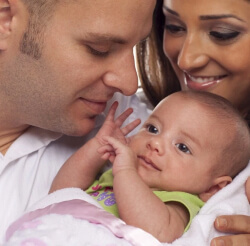

When it is said that motherhood changes you, they are very right. Your baby now takes center stage in your life. Watching the tiny human take control of your daily schedule is amazing but sometimes exasperating. The journey is an emotional roller coaster, and you may experience mood swings or feel anxious in the initial few weeks after giving birth. This is often referred to as the “baby blues.” Additionally, motherhood brings many physical changes to your body as well.
What are the physical changes after giving birth?
Below, we discuss five typical changes you might experience after childbirth. Many of these changes are reversed during postpartum recovery. However, some linger for prolonged durations and may need expert intervention or care.
1. Sore Breasts
This is a very common issue a mother faces after giving birth. As milk comes in, the breasts become fuller, and if feedings are missed, the breasts become engorged and painful. Poor latching of the baby to the breast can add to the discomfort because of incomplete emptying of the breast. In addition, improper positioning of the baby to the breasts may lead to cracked and sore nipples. The following are some helpful tips to reduce breast soreness:
- Guidance on latching techniques from your doctor or lactation support nurse help increase successful breastfeeding with minimal discomfort.
- Wear a lactation support bra in between feedings to ease the pain.
- Frequently feed your baby or pump the breasts to relieve the engorgement.
- Take an anti-inflammatory like ibuprofen or other pain relief medications prescribed by your doctor.
2. Vaginal and Perineal Discomfort
Childbirth may cause vaginal lacerations and perineal tears on its own, or your doctor may perform an episiotomy to assist with the delivery process. These perineal and vaginal wounds are a source of discomfort and make sitting and going to the bathroom painful. The wounds usually heal completely in a couple of weeks.
However, with excessive tearing, perineal disfigurement may persist. Similarly, vaginal laxity, vaginal dryness and painful sex may be experienced by some women for prolonged durations after childbirth. The following ideas may help provide comfort:
- Try a warm sitz bath for pain relief, numbing ointments and painkillers prescribed by your doctor.
- Use laxatives for relieving discomfort associated with bowel movements. Maintain perineal hygiene by washing yourself from front to back with warm water from a squirt bottle.
- Vaginal laxity and vaginal dryness improve in a couple of months once your monthly cycles resume and your estrogen levels return to normal. However, for persistent concerns, effective restoration of vaginal anatomy and functionality should be sought with professional care.
3. Bladder Control Problems
Almost half of women experience leaking urine during pregnancy, while they cough, sneeze, laugh or carry heavy items. This is due to the pressure an enlarged uterus exerts on the bladder. Previous vaginal deliveries may also play a role in worsening the symptoms, especially if you have a prolonged pushing phase, a large baby or a forceps-assisted delivery.
During pregnancy and childbirth there are risks of pelvic nerve injury, leading to loss of bladder function. There are preventative or recovery measures you can take. Here is a helpful list of ways to reduce bladder control problems:
- Pelvic floor muscle training is a readily achievable skill for you to adopt. Practice Kegel exercises consistently to regain pelvic floor strength.
- Maintain a healthy body weight. Obesity leads to raised intra-abdominal pressure and may aggravate issues of urinary incontinence.
- Eat a high-fiber diet to avoid constipation, as straining for a bowel movement can affect your bladder control.
- Limit the intake of bladder irritants like caffeinated beverages, spices and citrus fruit to avoid urinary urgency or frequency.
4. Hair Loss & Skin Changes
The high hormonal levels and enhanced blood flow to the skin of a pregnant woman makes her hair thick and lustrous. The withdrawal of pregnancy hormones after giving birth results in heavy hair loss in the months following delivery. The skin also becomes dull and less elastic after giving birth. Unfortunately, stretch marks and dark skin patches acquired from pregnancy are among the longer-lasting postpartum changes. The following are some ways to manage postpartum hair and skin changes:
- Unfortunately, hair loss cannot be avoided, but knowing about it in advance may help you handle it calmly.
- Treat your hair with care while shampooing and combing them. Use blow dryers or curling irons on a minimum heat setting. Don’t tie your hair in tight buns or ponytails, as this increases hair loss.
- Treat your dull skin by using mild face specific cleansing products and moisturizing regularly.
- Avoid direct sun exposure, especially during the peak hours between 10 am to 2 pm. Wear a hat, try to keep your arms & legs covered, and apply sunscreen whenever you go out.
- Stretch marks are quite resistant; and unfortunately, there is no proven way to erase them quickly. Creams and lotions help but cannot do magic. However, these marks will eventually fade with time.
5. Body Tone & Strength
Many women struggle with a negative body image after childbirth. The major culprits of this absurd feeling are postpartum weight gain and a saggy belly. While giving birth, you lose almost 5-6 kg or 10-12 pounds of weight, including the baby’s weight, placenta and amniotic fluid.
In the subsequent weeks after childbirth, the body tends to shed more pounds as excessive fluid is eliminated from your body’s systems. You may find that your postpartum body needs additional care and support, just as it needed additional attention during pregnancy and childbirth. Here are some tips to encourage and support you:
- Remember to maintain a healthy lifestyle by consuming nutritious meals in reasonable portion sizes.
- Consistently indulge in a workout routine, including core strengthening exercises like planks, crunches, and others.
- Continue to take your multivitamin supplements to address any micronutrient deficiency and avoid food cravings.
- This is important – Keep realistic expectations about the time it will take for your body to adjust and bounce back.
Important Things “Not to Do” After Giving Birth
- Ignore Self-Care
- Go on a Crash Diet
- Over Exert Yourself
- Shrug Off Pain
- Try Doing It Alone
Navigating the New You
The physical transformations of your body after giving birth are, at times, concerning. Many of these postpartum changes reverse with time. However, some may be longer-lasting.
Informed postpartum decision-making in consultation with a gynecologist and general practitioner is important. Remember, care is an ongoing process and professional guidance is always available to help you navigate the journey of motherhood smoothly.
About the Author

Dr. Jehan Ara is a highly qualified consultant obstetrician and gynecologist with a passion for writing and health education. She has more than 10 years of practical patient care experience. She is currently working as an Assistant Professor of Obstetrics and Gynecology in a medical school and a clinical supervisor for postgraduate residents of obstetrics and gynecology in the affiliated teaching hospital. In addition to her clinical work, Dr. Jehan is also a passionate writer and educator. She regularly writes articles and blog posts on women’s health. She is committed to helping women understand their bodies and make informed decisions about their health.