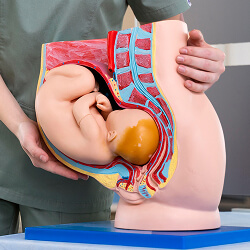
Infant Growth and Development
During the first year, babies experience remarkable growth. Development unfolds at different rates. Pediatric visits help monitor progress.
Common areas of development include head and neck control, rolling, sitting, and crawling, babbling and early sounds, recognizing caregivers, and emotional attachment.
Explore what to expect from your baby development during the first year
Sleep Patterns in Infancy
Infant sleep evolves significantly over the first year. Early months often include frequent night waking, short daytime naps, and irregular sleep patterns. Over time, many babies develop longer nighttime sleep stretches. Safe sleep practices remain important throughout infancy.1
Find guidance on helping your baby develop healthy sleep habits
Review safe sleep guidelines that protect your baby throughout infancy
Feeding Beyond the Newborn Stage
As babies grow, feeding patterns may shift. Transitioning toward solids is typically recommended around 6 months per pediatric guidance.2 Feeding decisions evolve with growth and family needs.
Topics families often navigate include continued breastfeeding, formula feeding, introducing bottles, and transitioning toward solid foods.
Learn how to approach weaning and what to expect during the transition
Find out how to maintain breast milk supply as your baby grows and feeding patterns change
Common Infant Concerns
When in doubt, your pediatrician can assess whether symptoms are typical or require evaluation.
During infancy, parents may encounter colic, changes in stool color, teething, skin conditions, and digestive discomfort.
Understand what colic is, what causes it, and how to soothe your baby
Learn what green baby poop means and when it may signal a concern
Safety as Baby Becomes Mobile
As babies begin rolling, crawling, and pulling up, safety planning becomes increasingly important. Supervision and preparation grow alongside mobility.
Common safety measures include securing furniture, installing outlet covers, supervising bath time, ensuring safe sleep spaces, and avoiding choking hazards.
Review safe sleep guidelines that protect your baby throughout infancy
Supplements and Nutrition
Some families discuss supplements with their pediatrician. Always consult your child healthcare provider before introducing supplements.
Common supplements to discuss include Vitamin D, iron (if recommended), and DHA.
Find out which supplements may support your baby health and when to consider them
Emotional Development and Attachment
Infancy is a time of attachment formation. Responsive caregiving, noticing cues, responding consistently, and offering comfort supports emotional development and brain growth.3 Attachment grows through repeated, everyday interactions.
Simple actions matter: holding your baby, talking and singing, making eye contact, and comforting when distressed.
Explore practical ways to strengthen your bond with your baby
Parenting Confidence Grows Over Time
In the beginning, everything can feel uncertain. Over time, you may notice you recognize your baby cries, you anticipate needs, you trust your instincts more, and your baby responds to your voice and presence. The infant stage is demanding and extraordinary.
Revisit postpartum physical recovery guidance and what to expect as you heal
Watching Growth With Wonder
The first smile. The first laugh. The first time they reach for you. Infancy moves quickly. While routines and fatigue are real, many parents describe this season as one of deep bonding and awe, watching a tiny human become more aware, expressive, and connected each day. You are not just caring for a baby. You are shaping the foundation of a life.