What Happens in Each Phase
Labor unfolds in three main stages. While every birth experience is unique, understanding these stages can help you feel more grounded and confident as your body moves toward birth. The stages describe physical changes — but they do not define your strength, progress, or success.
If you would like to return to the Labor guide, visit the Labor hub.
Pregnancy Topics


Overview of the Three Stages
Labor is divided into three stages: the first stage (cervical dilation), the second stage (pushing and birth), and the third stage (delivery of the placenta). These stages help providers monitor labor safely and guide decision-making.1
First Stage of Labor
The first stage is typically the longest. It begins with regular contractions and ends when the cervix reaches 10 centimeters dilation. It includes early labor, active labor, and transition.
Explore the first stage of labor in detail — what to expect and how to cope
Early Labor
Early labor may involve mild to moderate contractions 5 to 20 minutes apart and cervical dilation up to 6 cm. This phase can last hours — sometimes longer. Many parents describe early labor as manageable and even exciting.
Active Labor
Active labor typically begins around 6 cm dilation.1 Contractions intensify and become closer together. Focus deepens and support becomes more important. You may feel less interested in conversation and more focused inward.
Transition
Transition is the final part of the first stage (8 to 10 cm dilation). It is often intense, shorter than early labor, and physically demanding. Some parents experience shaking, nausea, or emotional overwhelm. This phase signals that birth is approaching.
Second Stage of Labor (Pushing)
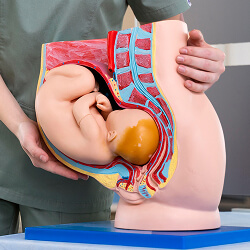
The second stage begins at full dilation and ends with the birth of your baby.1 It involves coordinated pushing, your baby descending, crowning, and delivery. Many parents describe this stage as demanding — and profoundly meaningful. The moment your baby is born often brings an intense sense of relief, awe, and accomplishment.
Learn what to expect during the pushing stage and birth of your baby
Third Stage of Labor (Placenta Delivery)
The third stage begins after your baby is born and ends with delivery of the placenta. It typically lasts 5 to 30 minutes.1 Providers monitor bleeding and uterine tone carefully during this stage.
Find out what happens after your baby is born during the third stage of labor
How Long Does Labor Last?
Labor duration varies widely. First-time births often last longer than subsequent births.2 There is no single normal timeline that applies to everyone. Your provider evaluates progress based on cervical change, contraction pattern, baby’s position, and maternal and fetal well-being.
When Labor Does Not Follow a Straight Line
Labor may not progress in a perfectly predictable way. Sometimes dilation pauses, contractions slow, or interventions are recommended. Modern labor management emphasizes patience while ensuring safety.3
Learn about prolonged labor — what causes it and how it is managed
Emotional Journey Through the Stages
Labor is physical — but it is also emotional. You may experience excitement, doubt, focus, vulnerability, and determination. Each stage brings different sensations and emotions. Support — whether from a partner, doula, nurse, or provider — can make a meaningful difference.4
Learn about the roles of doulas and midwives and how they support labor
Preparing for the Stages of Labor
Preparation does not guarantee a specific outcome — but it builds confidence. Steps may include learning about pain management options, practicing relaxation techniques, creating a birth plan, and discussing preferences with your provider.
Compare pain management options for labor and find what may work best for you
Learn how to create a birth plan and what to include
A Final Word
The stages of labor describe a process. They do not measure your strength. Whether your labor is long or fast, medicated or unmedicated, vaginal or surgical — birth is real work. Many parents leave the experience feeling a deep sense of accomplishment, not because it was easy, but because they moved through something powerful.
Explore postpartum recovery, newborn care, and life after birth